Introduction
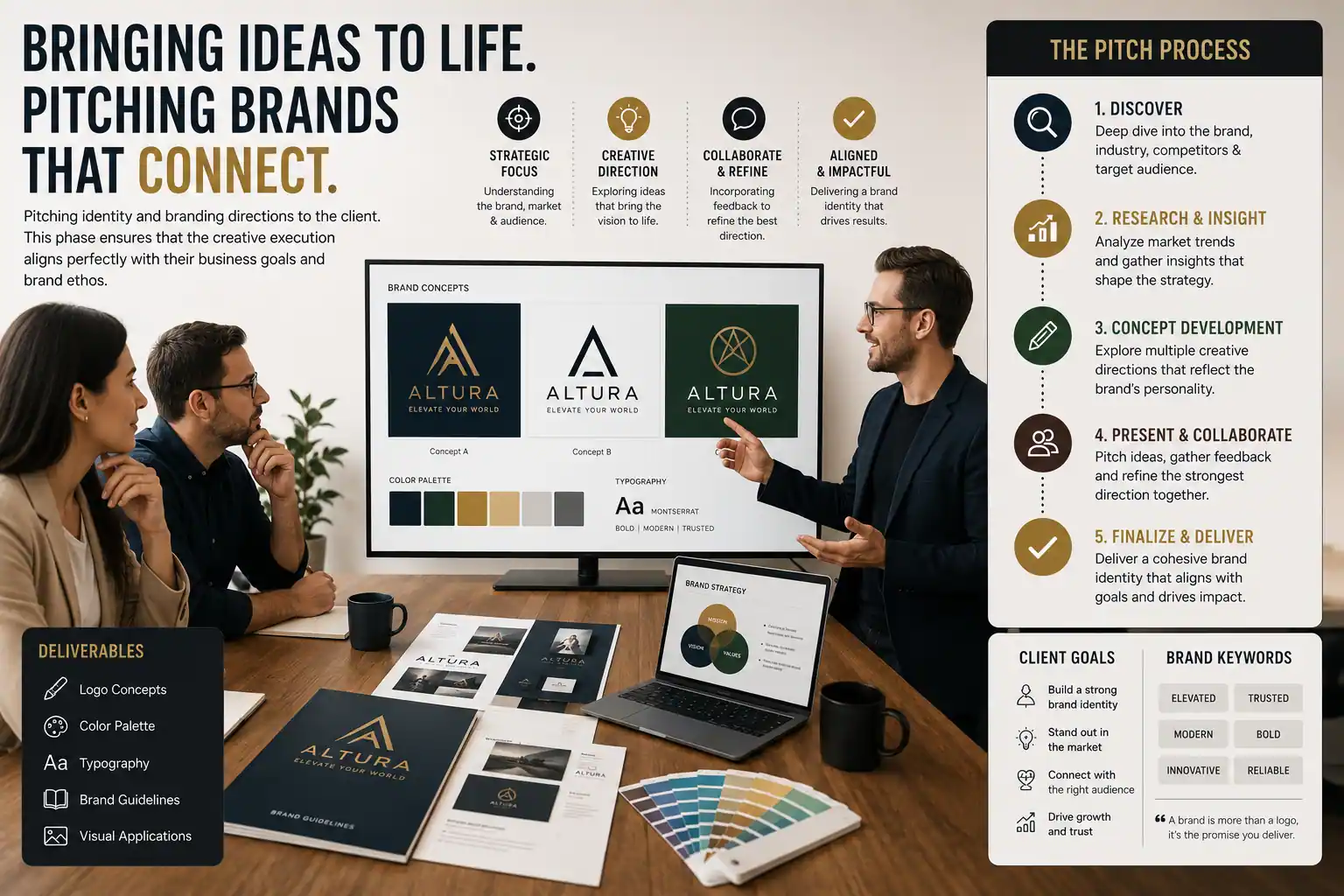
The demand for graphic designer jobs has grown rapidly over the past decade. Businesses of every size now rely on strong visual branding to stand out online, attract customers, and communicate effectively. From startups and eCommerce stores to multinational companies, skilled graphic designers are essential for creating logos, websites, advertisements, social media content, product packaging, and marketing materials.
If you’re considering a career in graphic design, this is one of the most exciting times to enter the industry. Companies are hiring both full-time designers and freelancers, while remote work has opened opportunities to collaborate with clients around the world.
After following hiring trends and working closely with design-focused businesses for years, one thing has become clear: clients don’t just hire designers who know the software—they hire designers who understand communication, branding, and problem-solving. Beautiful visuals matter, but designs that achieve business goals are what keep clients coming back.
In this comprehensive guide, you’ll learn everything you need to know about graphic designer jobs, including career paths, required skills, salary expectations, and practical advice to help you succeed.
Why Graphic Designer Jobs Are in High Demand
Digital marketing has transformed how companies reach customers.
Every business needs visual content for:
- Websites
- Social media
- Advertisements
- Product packaging
- Presentations
- Mobile apps
- Email campaigns
- Printed materials
Because of this, businesses constantly seek creative professionals who can communicate ideas through design.
Apply for Virtual Assistant Jobs
Remote work has also made it possible for designers to work with international clients without leaving home.
What Does a Graphic Designer Do?
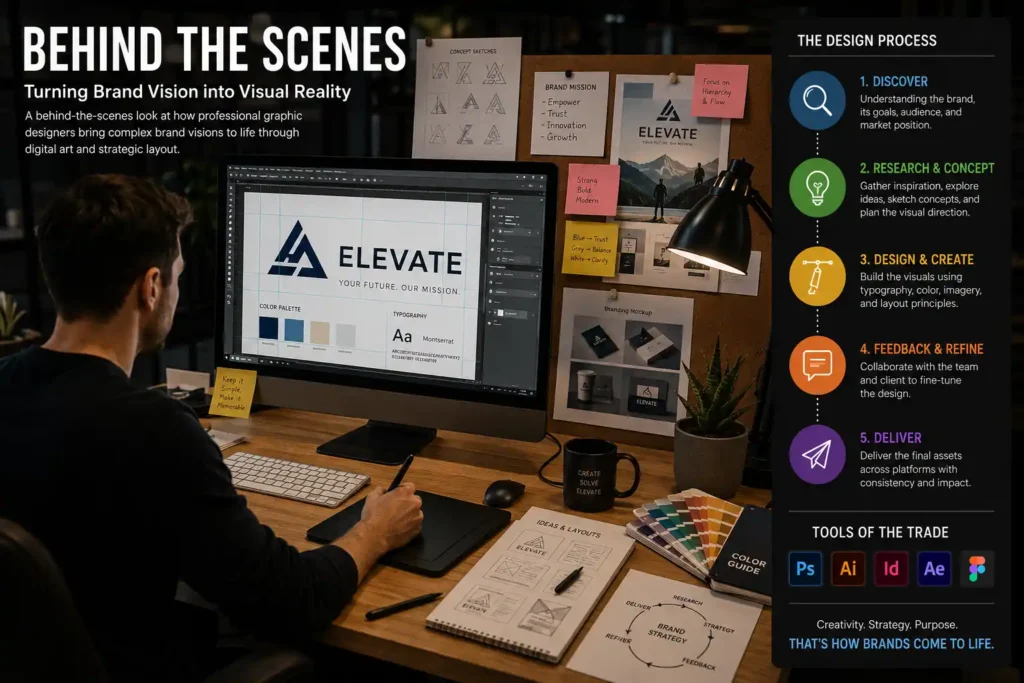
A graphic designer creates visual content that helps businesses communicate messages clearly and attractively.
Depending on the role, designers may work on:
- Brand identity
- Logo design
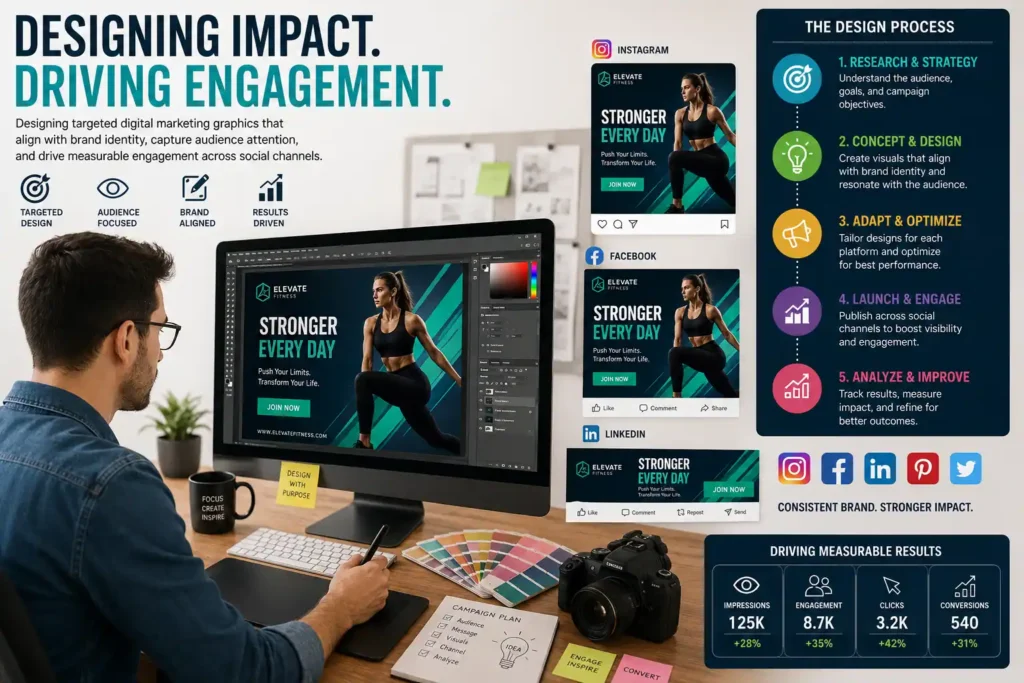
- Social media graphics
- Website layouts
- Marketing materials
- Product packaging
- Business presentations
- Infographics
- Digital advertisements
- Print media
Graphic designers combine creativity with strategic thinking to solve communication challenges through visuals.
Types of Graphic Designer Jobs
One of the biggest strengths of this career is the variety of specialization options available.
1. Brand Identity Designer
Brand identity designers develop the visual appearance of a company.
Their work includes:
- Logos
- Brand colors
- Typography
- Business cards
- Brand guidelines
Strong branding helps businesses build trust and recognition.
2. Social Media Graphic Designer
Businesses constantly need engaging visuals for social media.
Responsibilities include:
- Instagram posts
- Facebook banners
- LinkedIn graphics
- Pinterest pins
- YouTube thumbnails
This is one of the fastest-growing design specialties.
3. UI Graphic Designer
User Interface (UI) designers create attractive layouts for:
- Websites
- Mobile applications
- Dashboards
- Software interfaces
Knowledge of user experience principles is an advantage.
4. Marketing Graphic Designer
Marketing designers create promotional materials such as:
- Flyers
- Brochures
- Email graphics
- Advertisements
- Sales presentations
Their work directly supports marketing campaigns.
5. Print Graphic Designer
Although digital media dominates, print design remains important.
Projects include:
- Posters
- Magazines
- Packaging
- Catalogs
- Books
- Business stationery
Attention to print specifications is essential.
6. Motion Graphic Designer
Motion graphics combine animation with graphic design.
Common projects include:
- Animated advertisements
- Explainer videos
- YouTube intros
- Social media reels
- Product demonstrations
Learning motion design significantly increases earning potential.
7. Packaging Designer
Packaging designers create product packaging that attracts customers while communicating important information.
This field combines creativity with marketing psychology.
8. Freelance Graphic Designer
Many designers choose freelance careers instead of traditional employment.
Freelancers work with multiple clients while choosing:
- Working hours
- Projects
- Pricing
- Specialization
Freelancing offers flexibility but requires good communication and business skills.
Essential Skills for Graphic Designer Jobs
Through years of observing hiring decisions, certain skills consistently stand out among successful designers.
Creativity
Creativity isn’t about making something look different.
It’s about solving visual communication problems effectively.
Typography
Understanding fonts and text hierarchy dramatically improves design quality.
Typography often separates amateur work from professional design.
Color Theory
Professional designers understand how colors influence emotions and purchasing decisions.
Choosing the right color combinations strengthens branding.
Layout Design
Good layouts improve readability and user experience.
Balanced spacing and alignment are essential.
Communication Skills
Designers spend considerable time discussing ideas with clients.
Clear communication reduces revisions and builds trust.
Time Management
Meeting deadlines is one of the fastest ways to build a strong professional reputation.
Reliable designers often receive repeat business.
Software Every Graphic Designer Should Learn
You don’t need to master every design tool immediately, but becoming comfortable with industry-standard software makes you more competitive.
Popular tools include:
- Adobe Photoshop
- Adobe Illustrator
- Adobe InDesign
- Canva
- Figma
- Adobe XD
- CorelDRAW
- Affinity Designer
- Procreate
- Blender (for 3D design)
Beginners can start with Canva or Figma before moving to Adobe’s professional tools.
Education vs Portfolio: What Employers Really Value
One of the biggest misconceptions in graphic design is that a degree guarantees employment.
In reality, after observing countless hiring decisions, a strong portfolio almost always carries more weight than formal education.
Employers want to see:
- Real projects
- Creative thinking
- Branding skills
- Problem-solving ability
- Consistent design quality
Even self-taught designers can compete successfully if they build an impressive portfolio.
How Much Do Graphic Designer Jobs Pay?
Salary depends on:
- Experience
- Industry
- Country
- Portfolio
- Technical skills
- Specialization
Typical Salary Range
| Experience | Estimated Salary |
|---|---|
| Beginner | $25,000–$45,000/year |
| Mid-Level | $45,000–$70,000/year |
| Senior Designer | $70,000–$100,000+/year |
| Freelance Designer | Varies by clients and projects |
Specialized designers working in branding, UI/UX, or motion graphics often earn significantly more than general graphic designers.
Why Companies Hire Graphic Designers
Graphic design directly impacts business success.
Professional designers help companies:
- Build brand identity
- Increase customer engagement
- Improve marketing performance
- Enhance user experience
- Increase product sales
- Strengthen online presence
As digital marketing continues to expand, demand for skilled designers is expected to remain strong.
Best Websites to Find Graphic Designer Jobs
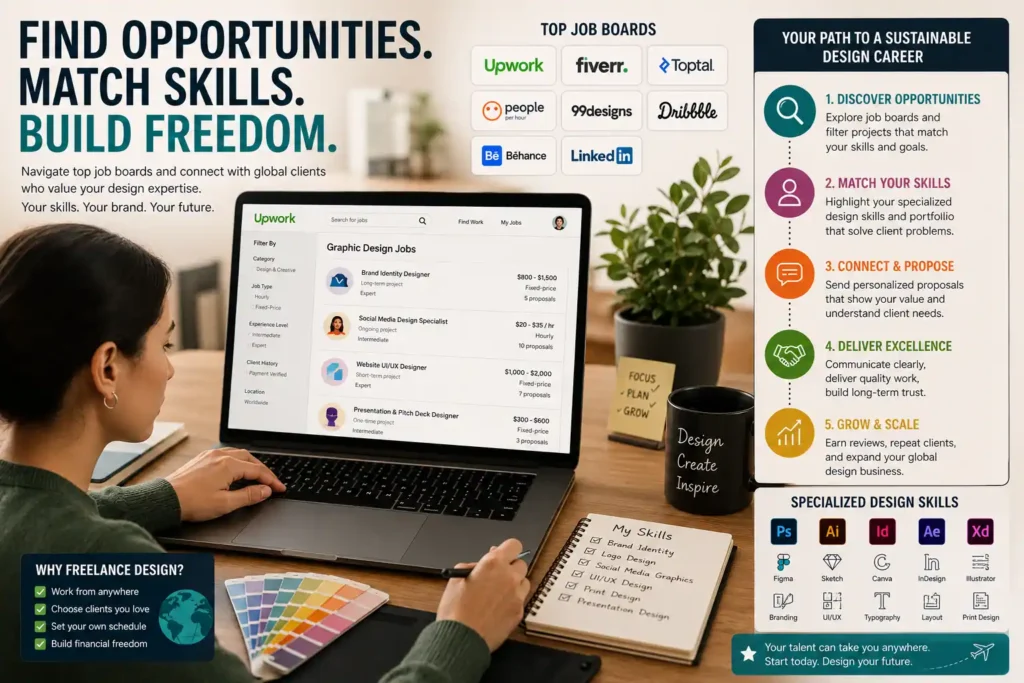
Finding quality graphic designer jobs requires more than uploading a resume to one website. After following hiring trends for years, I’ve noticed that the most successful designers diversify their job search. They maintain an updated portfolio, stay active on multiple platforms, and regularly network with clients.
Here are some of the best places to find legitimate graphic design opportunities.
1. Upwork
Upwork is one of the largest freelance marketplaces for graphic designers.
Popular categories include:
- Logo Design
- Social Media Design
- Brand Identity
- Packaging Design
- UI Design
- Print Design
Beginners and experienced designers can both find projects.
2. Fiverr
Fiverr allows designers to create service listings instead of applying for every project.
Popular services include:
- Logo Design
- YouTube Thumbnails
- Business Cards
- Social Media Posts
- Presentation Design
A well-optimized profile and portfolio can attract long-term clients.
3. LinkedIn Jobs
Many companies advertise full-time and remote graphic designer jobs directly on LinkedIn.
Keep your profile updated with:
- Portfolio link
- Design software skills
- Certifications
- Previous projects
Recruiters frequently search for candidates using these keywords.
4. Behance
Behance is one of the best platforms for showcasing creative work.
Many companies hire designers directly after viewing strong portfolios.
5. Dribbble
Dribbble is especially valuable for:
- UI Designers
- Brand Designers
- Product Designers
- Freelancers
Premium clients often search Dribbble for experienced professionals.
6. Indeed
Indeed lists thousands of graphic designer jobs worldwide.
Use filters such as:
- Remote
- Full-Time
- Entry Level
- Contract
to narrow your search.
7. Freelancer
Freelancer offers project-based work ranging from small logo designs to large branding projects.
How to Build a Portfolio That Gets You Hired
A portfolio is your most powerful marketing tool. In many hiring decisions, it matters more than a degree or years of experience because it shows what you can actually create.
Include a variety of work such as:
- Logos
- Brand identity projects
- Social media graphics
- Posters
- Flyers
- Business cards
- Website mockups
- Mobile app screens
- Product packaging
Expert Advice
Don’t upload every design you’ve ever made.
Choose your 10–15 strongest projects that demonstrate different skills and explain the problem each design solved.
Quality always beats quantity.
How to Get Your First Graphic Design Client
Landing your first client can seem challenging, but a structured approach makes a big difference.
Create Sample Projects
If you don’t have paid work yet, design branding materials for fictional businesses. This helps demonstrate your creativity and process.
Build an Online Presence
Share your work on:
- Behance
- Dribbble
- Personal portfolio website
Network with Small Businesses
Many local businesses need affordable design help. Reach out professionally with a short introduction and examples of your work.
Deliver Outstanding Service
Meeting deadlines, communicating clearly, and responding to feedback professionally often leads to repeat clients and referrals.
Common Mistakes Graphic Designers Should Avoid
Many talented designers struggle because of avoidable mistakes.
Copying Trends Without Understanding Design Principles
Trendy designs can quickly become outdated. Focus on timeless fundamentals like layout, typography, and visual hierarchy.
Ignoring Client Objectives
Good design isn’t just about aesthetics—it should solve a business problem.
Always ask:
- Who is the target audience?
- What action should viewers take?
- What message should the design communicate?
Poor File Organization
Professional designers organize:
- Layers
- Fonts
- Assets
- Export files
Well-structured files save time and impress clients.
Underpricing Your Work
Charging too little can make your services seem less valuable and make it difficult to sustain your business.
Research market rates and adjust your pricing as your experience grows.
Not Learning New Skills
Design trends and software evolve quickly. Continuous learning keeps you competitive.
Career Growth Opportunities
Graphic design offers numerous career paths. As your experience grows, you can specialize in higher-paying areas such as:
- Brand Identity Designer
- UI Designer
- UX Designer
- Motion Graphics Designer
- Art Director
- Creative Director
- Packaging Designer
- Product Designer
- Marketing Designer
- Design Consultant
Many professionals also transition into freelancing or start their own design agencies.
Expert Tips from Years of Following the Design Industry
After studying hiring practices and creative agencies for years, several habits consistently separate successful designers from average ones.
Master Design Fundamentals
Software changes over time, but principles like typography, composition, spacing, and color theory remain essential.
Build Relationships, Not Just Portfolios
Many designers receive repeat work because clients enjoy working with them—not just because of their technical skills.
Professional communication and reliability are major competitive advantages.
Learn Business Basics
Understanding branding, marketing, and customer psychology helps you create designs that deliver results.
Clients value designers who contribute ideas, not just visuals.
Keep Improving Your Portfolio
Replace older work with stronger projects as your skills improve.
Your portfolio should reflect your current abilities.
Embrace AI as a Productivity Tool
Modern designers use AI to speed up brainstorming, image editing, and workflow—not to replace creativity. Learning how to combine AI tools with strong design skills can improve efficiency and help you focus on higher-value creative work.
Future of Graphic Designer Jobs
Graphic design continues to evolve alongside technology.
Key trends include:
- AI-assisted design workflows
- Motion graphics
- Interactive content
- UI/UX design
- 3D graphics
- Brand storytelling
- Digital marketing design
- Short-form video content
Businesses increasingly seek designers who can combine creativity with strategic thinking and adaptability.
Final Thoughts
Graphic designer jobs offer an exciting blend of creativity, technology, and problem-solving. Whether you’re interested in freelancing, joining a creative agency, or working for a global brand, opportunities continue to expand as businesses invest more in digital content and visual communication.
The designers who build successful careers aren’t simply those who know the latest software. They’re the ones who understand design principles, communicate effectively, keep learning, and consistently create work that helps clients achieve their goals.
If you’re just starting, focus on building a strong portfolio, mastering the fundamentals, and seeking feedback from experienced designers. With dedication and continuous improvement, graphic design can become a rewarding and long-lasting career.
Frequently Asked Questions (FAQ)
1. What qualifications do I need for graphic designer jobs?
While a degree can be helpful, many employers prioritize a strong portfolio, practical skills, and proficiency with design software.
2. Can I become a graphic designer without experience?
Yes. Create personal or fictional projects to build a portfolio, learn industry-standard tools, and apply for entry-level or freelance opportunities.
3. Which software should beginners learn first?
Canva and Figma are beginner-friendly. As you progress, learning Adobe Photoshop, Illustrator, and InDesign will expand your opportunities.
4. How much do graphic designers earn?
Entry-level designers often earn $25,000–$45,000 per year, while experienced designers and specialists can earn $70,000–$100,000+ annually, depending on location and expertise.
5. Is freelancing a good option?
Yes. Freelancing offers flexibility, the ability to work with international clients, and opportunities to build your own business.
6. What skills do employers value most?
Creativity, typography, layout design, color theory, communication, time management, attention to detail, and problem-solving are consistently in demand.
7. Are graphic designer jobs remote?
Many companies now offer remote and hybrid positions, making it possible to work from anywhere with a reliable internet connection.
8. What is the future of graphic design?
The industry is expected to grow through increased demand for digital marketing, branding, UI/UX design, motion graphics, and AI-assisted creative workflows.